
Pneumatics and compressed air
Design, installation and extension of compressed-air and industrial nitrogen networks, with air treatment at the point of use, pneumatic automation and instrumentation, leak correction, and service to compressors and auxiliary equipment.

Reference standards
- ISO 8573
- Compressed-air quality: reference
- NOM-020-STPS
- Pressure vessels
- NOM-004-STPS
- Machinery guarding and safety devices
- NOM-009-STPS
- Work at height
Executed work
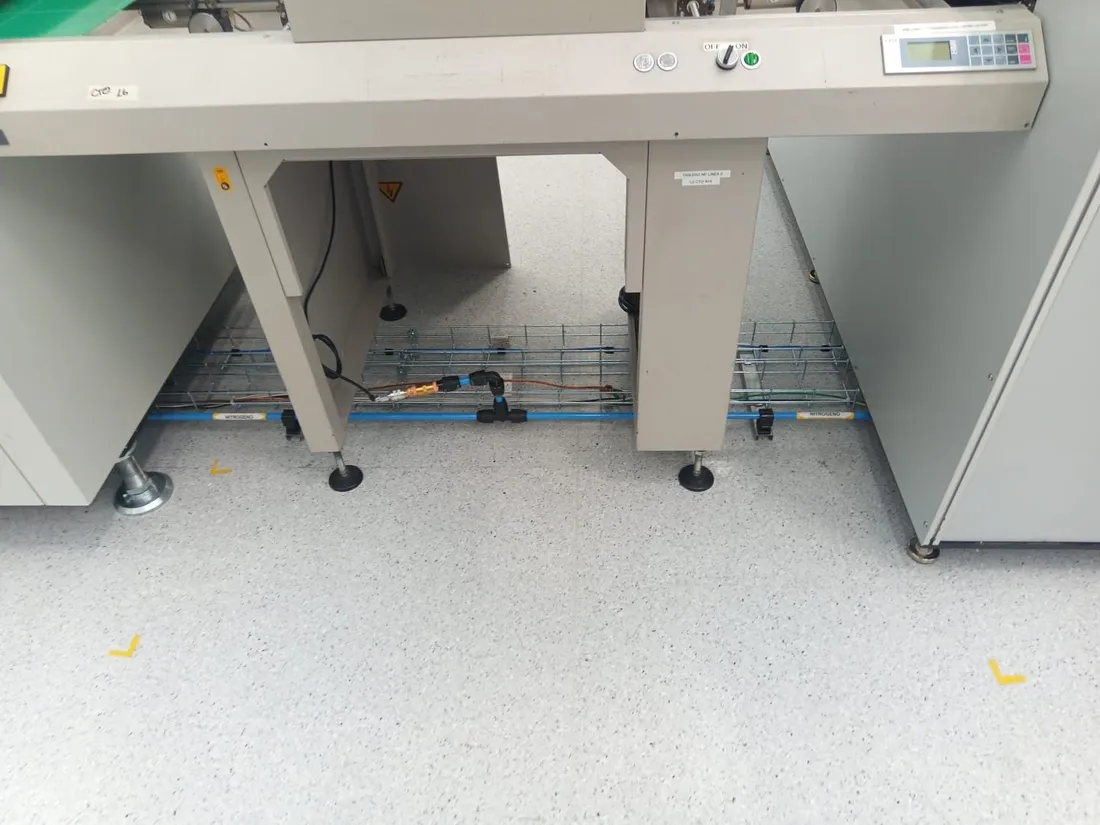
Fig. 01Nitrogen line and cable tray installed beneath line equipment 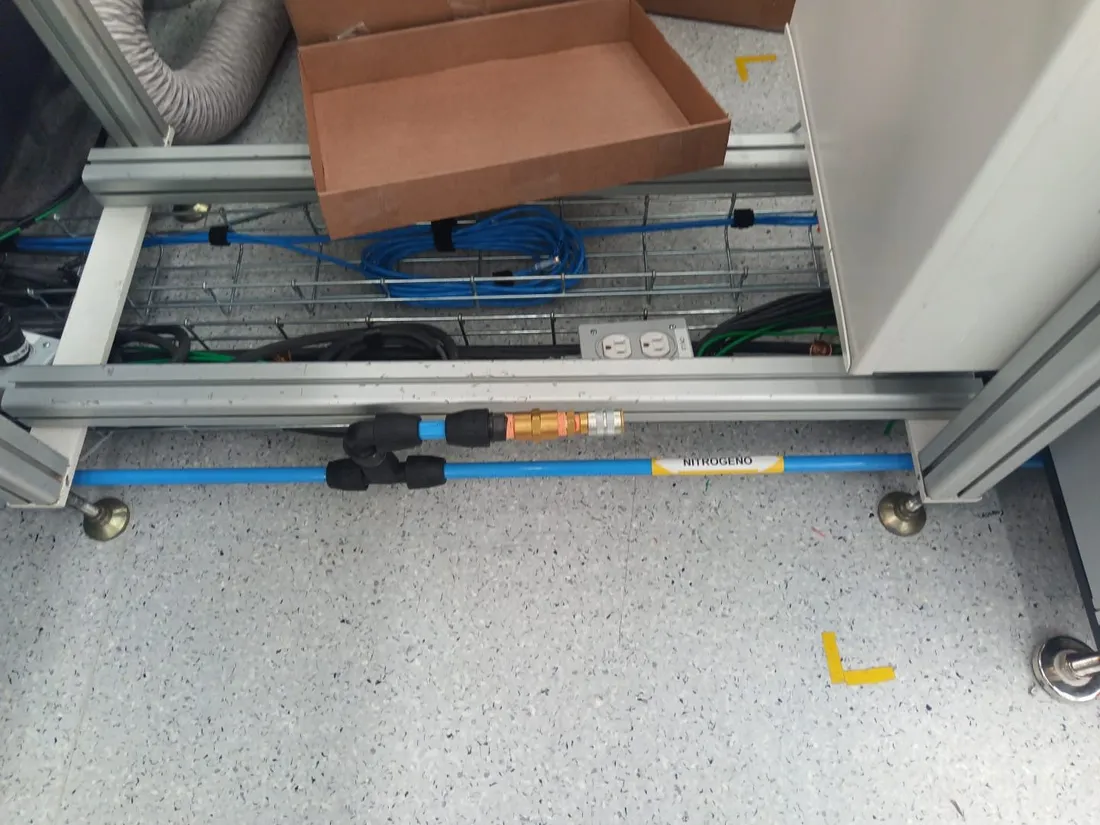
Fig. 02Quick coupling on a labeled nitrogen line 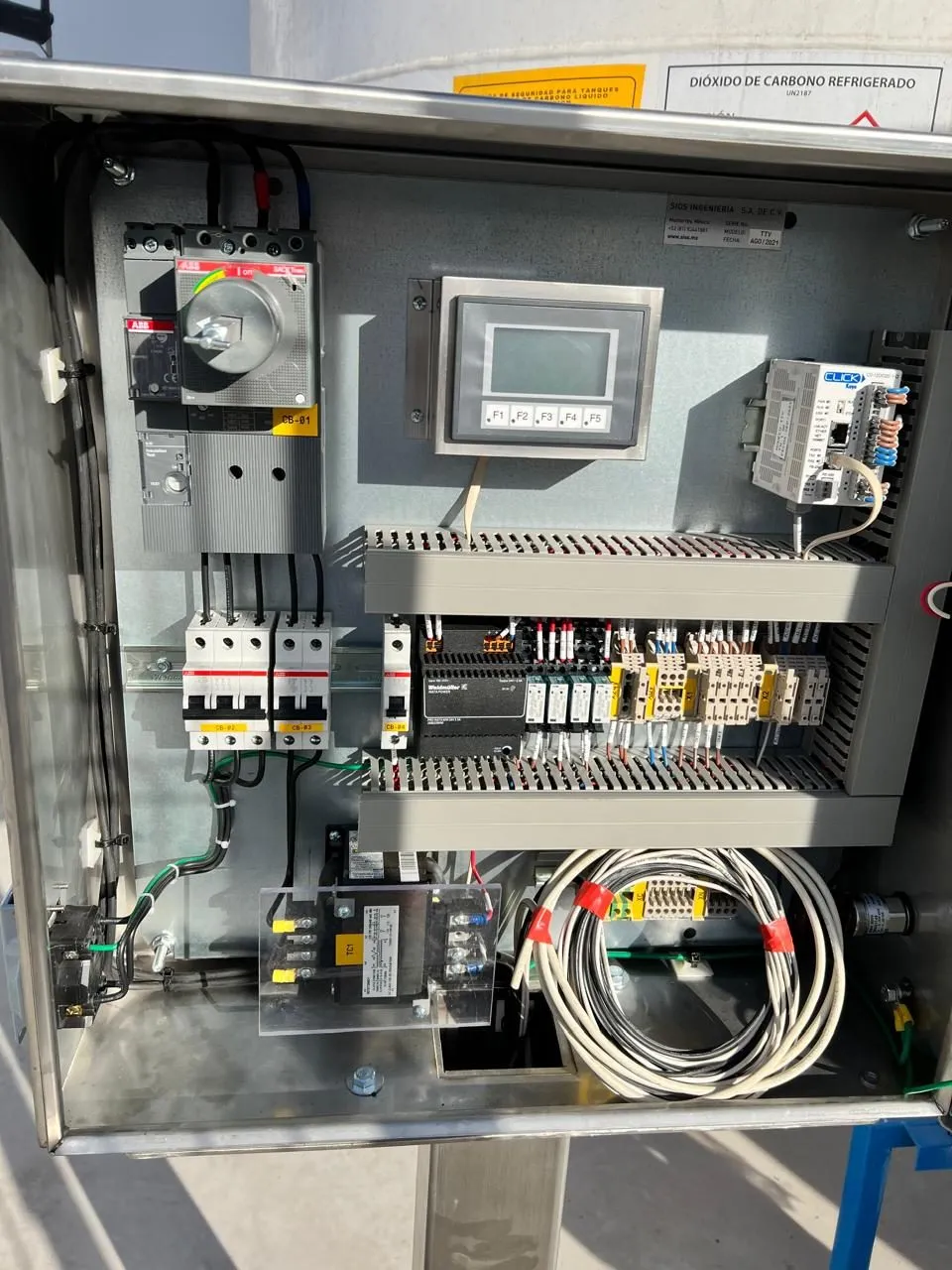
Fig. 03Control and instrumentation panel mounted beside a tank


Service scope
- 01
Compressed-air networks
Design, installation and extension of industrial compressed-air networks.
- 02
Nitrogen networks
Installation and extension of industrial nitrogen networks and their points of use.
- 03
Air treatment
Dryers, filters and condensate separators matched to the air quality the process requires.
- 04
Automation and instrumentation
Integration of actuators, valves and pneumatic control instrumentation.
- 05
Leak reduction
Leak detection and correction across the network, fittings and points of use.
- 06
Compressor service
Preventive and corrective maintenance for compressors and auxiliary equipment.
Measure the network first, extend it second
What you receive at close-out
- Network survey with points of use and consumption
- Record of the leaks found and corrected
- Service report for compressors and auxiliary equipment
Before proposing new equipment we review the installed network: pressure at the point of use, drops, leaks and the air quality the process actually needs. A good share of extensions is resolved by correcting what is already there; where it is not, sizing starts from measured consumption rather than estimates.
- Pressure and pressure-drop review at the point of use
- Leak detection and correction before extending the network
- Sizing based on measured consumption
- Air treatment defined by the end use
- Scheduled service for compressors and auxiliary equipment
Related capabilities
These families are frequently quoted and executed inside the same project.
Maintenance and field service
Preventive and corrective maintenance with our own crews: electrical, mechanical and pneumatic work as a single service.
Mechanical, piping and welding
Equipment assembly, metal structures and process or service piping, with pressure and tightness testing at close-out.
Engineering and technical staffing
Electrical design in 2D and 3D, code documentation, project management and technical personnel assigned to the job.
Get a quote for the work you need
Tell us the equipment, the location and the type of intervention. We review the information to prepare the quotation or to ask for what is missing.